


Why the US–Iran War Didn’t Go as Planned: A Detailed Breakdown
- The Youth Policy
- Apr 18
- 2 min read

What began as a calculated move for a short, controlled confrontation quickly spiraled into a prolonged and costly conflict. Instead of forcing a rapid outcome, the war exposed deep flaws in planning, intelligence, and strategic judgment. Here’s a closer look at what went wrong.
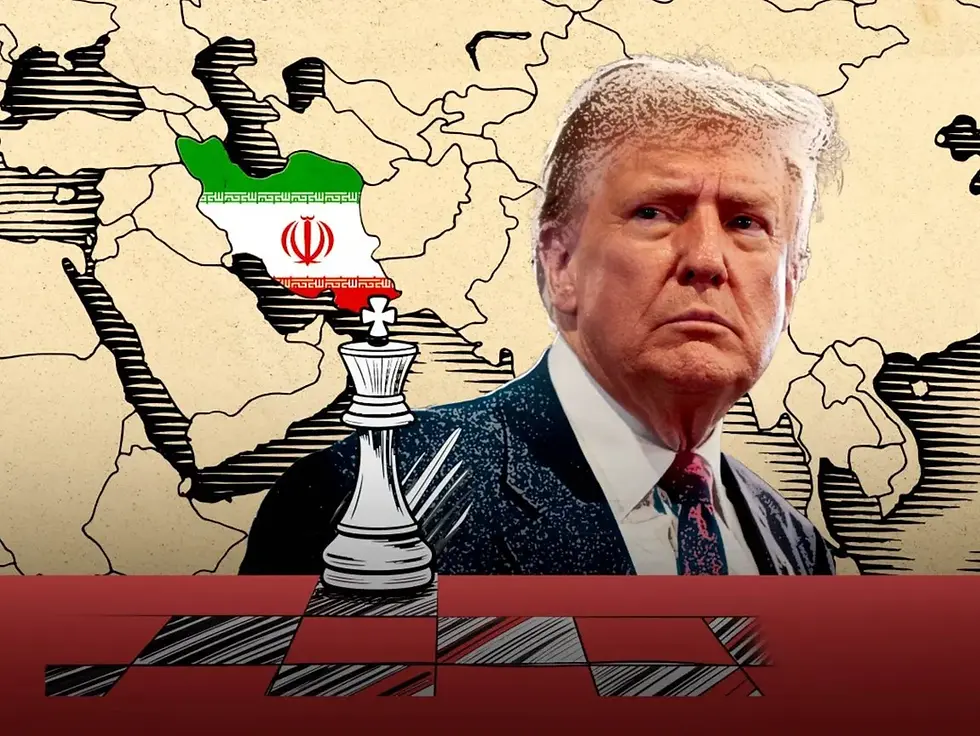
1. Misreading Past Conflicts
US decision-makers relied heavily on Iran’s behavior during its brief confrontation with Israel, assuming a similar response pattern. But this time, the equation had changed. With direct US involvement, Iran escalated in ways Washington did not expect. The potential disruption of the Strait of Hormuz — a vital global oil route — immediately raised the stakes, turning a regional conflict into a global economic concern.
2. A Shift in Iran’s Strategy
Washington expected Iran to keep its focus primarily on Israel. Instead, Iran broadened its targets, directly threatening and engaging US military bases and allied positions across the Middle East. This shift stretched US defenses and complicated operational planning.

3. Underestimating Military Capabilities
Iran demonstrated significant progress in missile technology and air defense systems. Precision strikes and the ability to challenge advanced aircraft and radar systems caught US forces off guard. The assumption of uncontested air superiority no longer held, increasing both risks and costs.
4. Misjudging Internal Dynamics
One of the biggest assumptions was that pressure would trigger unrest within Iran. Intelligence suggested possible instability, but the opposite occurred. Faced with external threats, Iranian society became more unified. National identity and collective resilience played a major role, transforming potential internal divisions into a source of strength.
5. Overlooking Regional Alliances
Iran-aligned groups across the region played a far more coordinated and active role than expected. Their involvement added multiple fronts to the conflict, increasing its complexity. At the same time, US allies were less unified in their support, exposing cracks in traditional partnerships during a high-cost war.
6. Mounting Political and Economic Pressure
As the conflict dragged on, its consequences spread beyond the battlefield. Oil prices surged, placing strain on global markets and domestic economies. Civilian casualties fueled international criticism and weakened the perceived legitimacy of the operation. Within the US, public and political support began to erode under growing scrutiny.
7. Internal Divisions in Leadership
Reports of disagreements within US military leadership highlighted deeper strategic uncertainty. Leadership changes during the conflict disrupted continuity and signaled a lack of consensus on how to proceed, further weakening overall effectiveness.
The Bigger Picture
The war ultimately became a classic case of strategic miscalculation. Initial optimism clashed with a far more complex reality on the ground. Instead of a quick resolution, the US faced a drawn-out war of attrition with rising costs and no decisive victory.
Conclusion
This conflict underscores a critical lesson: modern warfare is shaped not just by military strength, but by accurate understanding — of your opponent, the region, and the broader political landscape. When those elements are misjudged, even the most powerful nations can find themselves facing unexpected outcomes. Article: PAROS TIT


Comments